Now for the troubled countries:
Pakistan
Pakistan, like most of the economies in this post struggles with inflationary pressures and is faced with high default risk. The inflation rate hit 21% earlier this year. To combat this high inflation the central bank has raised rates to 15%. The government has also cut back on fuel subsidies and raised taxes. Government action was largely pressured by the IMF for exchange of a $4 billion bailout package (receiving $1.2 billion upfront). The people of Pakistan have voiced their frustration of government austerity-like measures as well as the rising cost of living. The country had been victim to dwindling foreign exchange reserves (approx. 2 months’ worth of exports) and requested for an IMF bailout, which they have since received. China has also stepped up and reduced the rate of their $2 billion loan. Only time will be able to tell whether Pakistan can escape their financial troubles without default.
Ghana
A similar story holds in Ghana like many emerging markets are also running alarmingly close to defaulting on foreign debt. The country’s government debt is a staggering 82% of total GDP. The Ghanaian cedi is already down 24% YTD against the dollar. The country also is fighting a 20-year record 29.8% YOY inflation rate. The lack of government funding has led to some schools across the country not providing any lunch food or school supplies and are being put at risk of indefinite closure. The government has already began seeking out a $1.5 billion bailout from the IMF to avoid “full blown crisis”. The cost of living has already sparked protests within the country in which police had to be deployed with rubber bullets and tear gas. The largest teachers’ union has also demanded a cost-of-living adjustment to deal with the inflation or else they would go on strike. Ghana’s situation is yet another example of the struggles of emerging market economies currently.

Egypt & Rest of the World
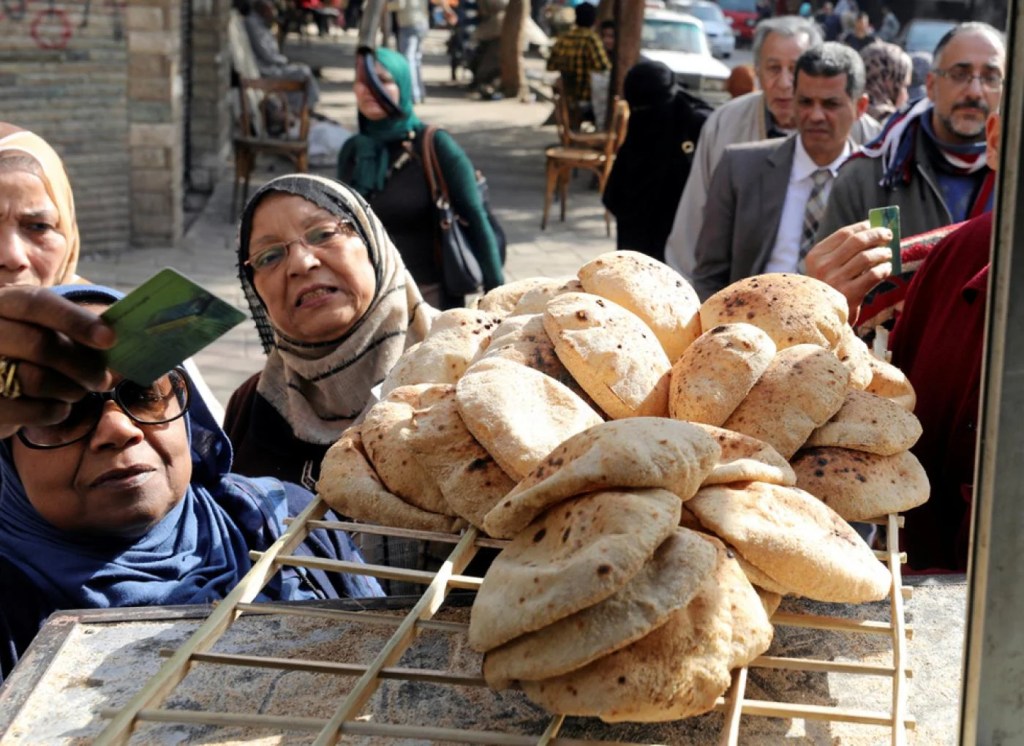
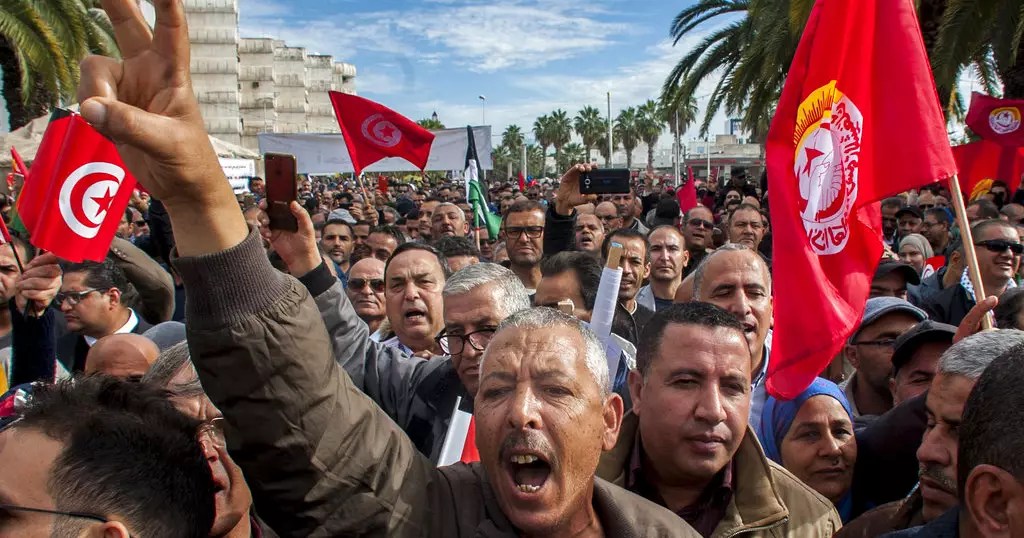
Many more emerging economies are also victim to the effects of inflation, a retreat in foreign investment due to increased interest rates and/or other factors in investment decisions. Countries like Egypt and Tunisia are seeing rises in food prices and trouble meeting foreign dollar debt obligations. Due to political risks surrounding the change in Tunisia’s constitution (US heavily against) the IMF looks currently unlikely to bail the nation. It seems the IMF would consider loaning to the Egyptians however. The inflation problem continues to many other nations in the region. Sudan saw its annual inflation rate hit 192% as well as civilians protesting the new military leadership. In Lebanon food prices have tripled and civilians go many hours in the day without electricity. Many Ugandan citizens have looked to flee the country in search of work in the Gulf states. All these problems have lead US General. Townsend to warn Washington of potential unrest and coups in the region.


Laos
In Laos it is still very much the same story as other emerging markets. Low foreign exchange reserves, hefty debt repayments coming due, and a sinking currency all in one. The country recently had its credit rating cut by Moody’s to reflect the risk of holding Laos debt. Over 50% of Laos debt is controlled by China so their troubles could be eased if the Chinese renegotiate the terms of the debt in question. Leadership in the country has already cut back on spending, implemented strict capital controls, and using their authoritative power controlled the narrative to the masses.
As the global interest rate environment changes instances of unrest in countries around the globe will continue to emerge.
 Cents365
[…] Economics Google Economics QE & Money Creation Europe’s Energy Crisis EM Crisis (1) EM Crisis (2) An Immutable […]
LikeLike