The EU’s Energy Woes

The effects of Russia’s invasion of Ukraine are contributing to an economic downturn across Europe. In response to governments across the continent sanctioning Russia, Moscow has retaliated by cutting natural gas deliveries into the European Union. For many years, Western European nations assumed that regardless of geopolitical issues Russia would be a dependable source of energy. Throughout 2022 it has proven not to be the case.

As the end of summer nears, European energy security is clouded with uncertainty for the winter to come. Worries picked up after Gazprom cut Nord Stream pipeline gas flows from 40% to 20% in the backend of July, sighting problems with turbines. The Nord Stream pipeline is the main point of entry of Russian gas into Europe and at full capacity could supply enough gas to satisfy 10% of the European Union’s annual consumption. Without Russian gas, European industries will be hit hard and may end up rationing gas in the winter.

The German government has taken a 30% stake as part of a larger $15.3 billion (15 billion euros) bailout of energy giant, Uniper. Uniper had found itself bleeding cash as it was forced to buy supplies from the highly-priced gas spot market after not receiving the contracted gas volumes from Gazprom. The bailout also includes an increase in the credit facility for Uniper to 9 billion euros (previously 2 billion) at state-owned KfW bank. Uniper shareholders would also be involved in the bailout as the plan would see their ownership interests diluted, a ban on dividends, and a cap on executive compensation. Finnish majority-owner Fortum had an 80% stake before the bailout, it now only holds 56%.

Germany usually likes to keep its gas storage level at around the 90% mark by late fall, going by the past decade. With Nord Stream running at 100%, this level would comfortably get Germany through the winter. However, Nord Stream is only running at 20% right now, meaning it is almost impossible for storage levels to even hit the 90% level in time for the winter. Without Russian cooperation to drastically increase gas supply it is looking very likely that Germany will have to ration its gas for the winter months.
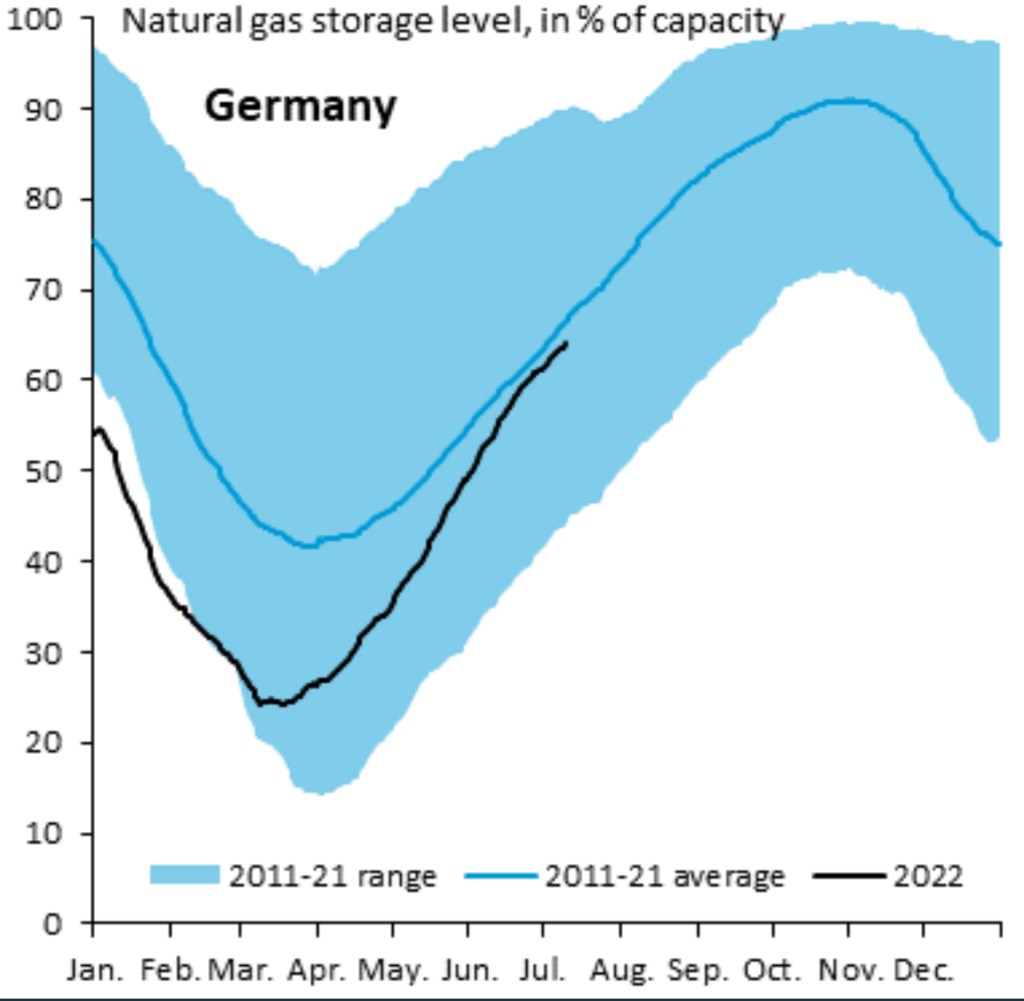
Photo: Twitter, @RobinBrooksIIF

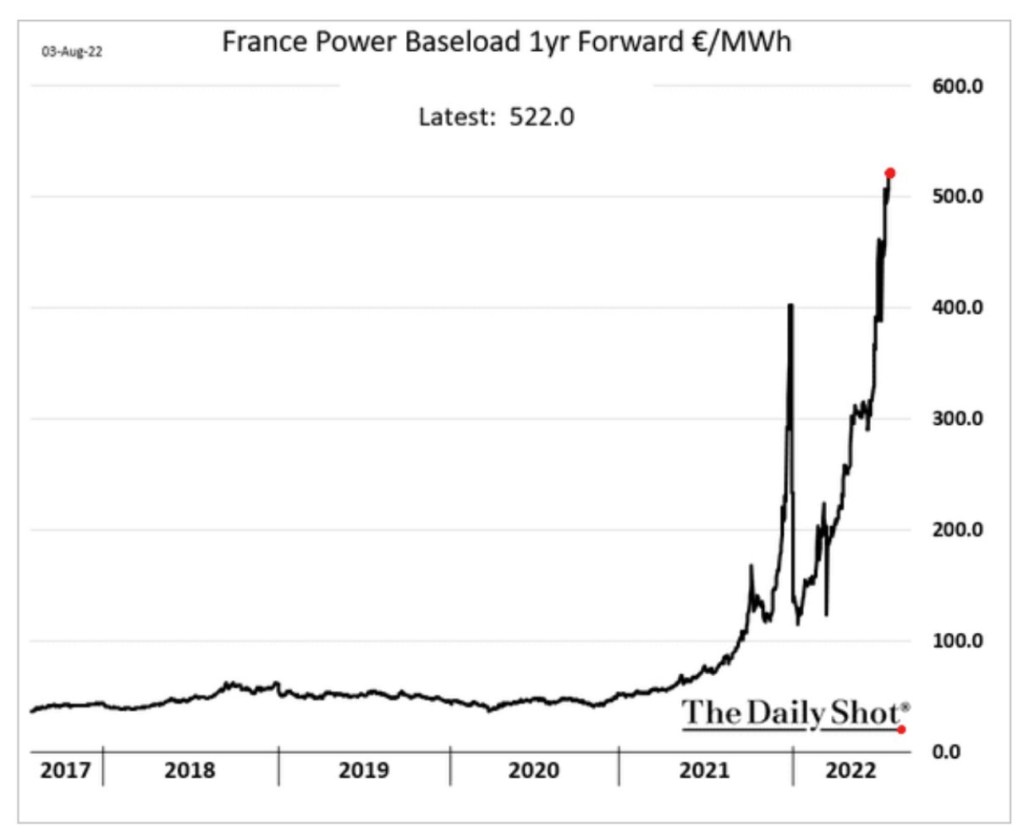
In France, the government offered to nationalize the EDF, the largest owner of nuclear power plants in the world. The Finance Ministry tabled an offer at 12/share (a 53% premium to market price at the time). The French government’s decision comes at a time where the EDF is operating at a loss as a result of government caps on electricity prices. Additionally, the EDF also had to shut down 12 of its nuclear reactors (total of 56) for maintenance due to unanticipated corrosion.
https://thedailyshot.com/2022/07/20/for-fund-managers-recession-is-a-done-deal/

As a result of Russia’s unreliability, European countries are looking for alternatives in North Africa and the Middle East. Agreements between the producers and Europe are filled with complications. Qatar looks like the best bet for the European countries but negotiating the concessions of such an agreement will require significant time. The European Union had launched an antitrust investigation into Qatar’s restrictions on reselling gas as it limits cross-border trade – the probe has since been dropped. Other points of contest have been over the length of contracts and the pricing due to Qatar’s distance from Europe. Other nations in Northern Africa (ex: Algeria, Libya) are by most not considered viable due to the accompanied political risk.

Politicians in Europe have began calling to lift the Russian sanctions, hoping to ease the energy crisis their people face. As usual, this is an issue most political parties are unable to agree on.

Emerging Market Crisis (2)

Now for the troubled countries:

Pakistan

Pakistan, like most of the economies in this post struggles with inflationary pressures and is faced with high default risk. The inflation rate hit 21% earlier this year. To combat this high inflation the central bank has raised rates to 15%. The government has also cut back on fuel subsidies and raised taxes. Government action was largely pressured by the IMF for exchange of a $4 billion bailout package (receiving $1.2 billion upfront). The people of Pakistan have voiced their frustration of government austerity-like measures as well as the rising cost of living. The country had been victim to dwindling foreign exchange reserves (approx. 2 months’ worth of exports) and requested for an IMF bailout, which they have since received. China has also stepped up and reduced the rate of their $2 billion loan. Only time will be able to tell whether Pakistan can escape their financial troubles without default.

Ghana

A similar story holds in Ghana like many emerging markets are also running alarmingly close to defaulting on foreign debt. The country’s government debt is a staggering 82% of total GDP. The Ghanaian cedi is already down 24% YTD against the dollar. The country also is fighting a 20-year record 29.8% YOY inflation rate. The lack of government funding has led to some schools across the country not providing any lunch food or school supplies and are being put at risk of indefinite closure. The government has already began seeking out a $1.5 billion bailout from the IMF to avoid “full blown crisis”. The cost of living has already sparked protests within the country in which police had to be deployed with rubber bullets and tear gas. The largest teachers’ union has also demanded a cost-of-living adjustment to deal with the inflation or else they would go on strike. Ghana’s situation is yet another example of the struggles of emerging market economies currently.

Egypt & Rest of the World

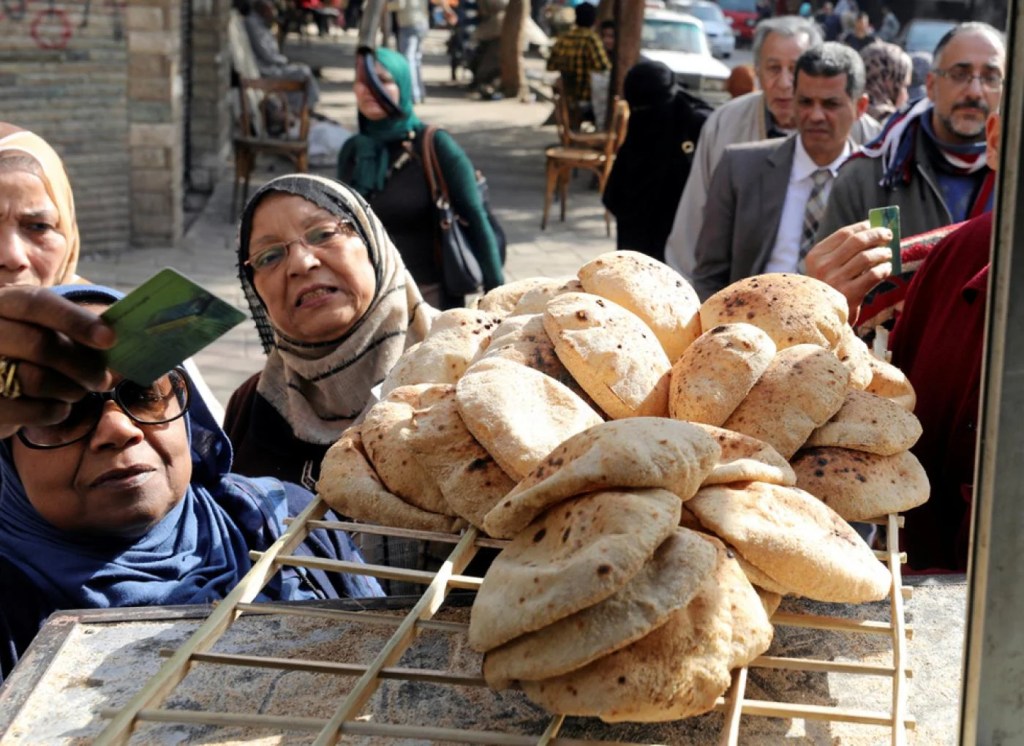
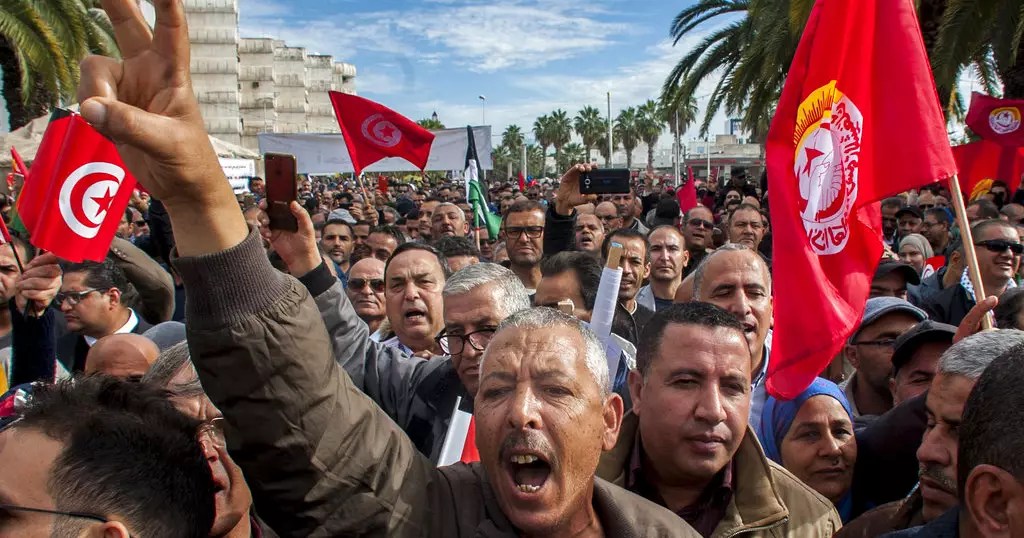
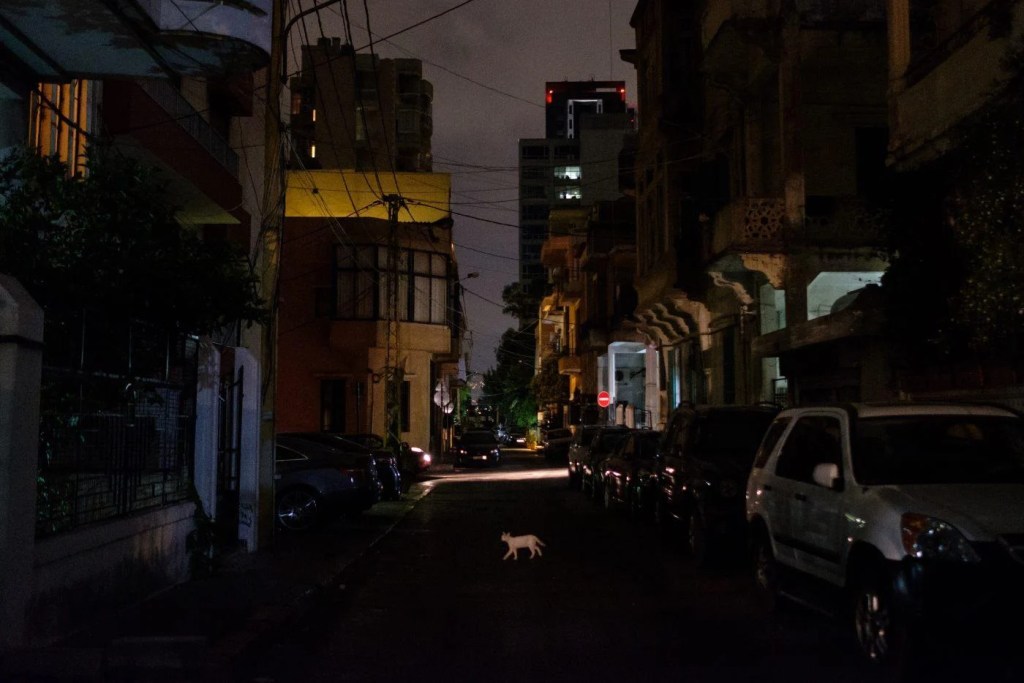
Many more emerging economies are also victim to the effects of inflation, a retreat in foreign investment due to increased interest rates and/or other factors in investment decisions. Countries like Egypt and Tunisia are seeing rises in food prices and trouble meeting foreign dollar debt obligations. Due to political risks surrounding the change in Tunisia’s constitution (US heavily against) the IMF looks currently unlikely to bail the nation. It seems the IMF would consider loaning to the Egyptians however. The inflation problem continues to many other nations in the region. Sudan saw its annual inflation rate hit 192% as well as civilians protesting the new military leadership. In Lebanon food prices have tripled and civilians go many hours in the day without electricity. Many Ugandan citizens have looked to flee the country in search of work in the Gulf states. All these problems have lead US General. Townsend to warn Washington of potential unrest and coups in the region.

Laos

In Laos it is still very much the same story as other emerging markets. Low foreign exchange reserves, hefty debt repayments coming due, and a sinking currency all in one. The country recently had its credit rating cut by Moody’s to reflect the risk of holding Laos debt. Over 50% of Laos debt is controlled by China so their troubles could be eased if the Chinese renegotiate the terms of the debt in question. Leadership in the country has already cut back on spending, implemented strict capital controls, and using their authoritative power controlled the narrative to the masses.

As the global interest rate environment changes instances of unrest in countries around the globe will continue to emerge.

Emerging Market Crisis (1)

Across the world many countries are faced with rising food and fuel prices as result of the invasion of Ukraine. This is particularly worrisome for emerging market economies as the FED has started raising interest rates – usually a negative for these economies. The rise in interest rates in the US and a stronger dollar makes import dependent nations with low foreign exchange reserves vulnerable to defaulting on their debts. The strength of the dollar coupled with inflation makes imports that much more expensive relative to weakened currencies. Like the Asian Financial Crisis in 1997 once the global interest rate environment changes emerging market economies will end up hurt from capital outflows and asset busts within their respective countries. This cycle in the globalized financial system is often referred to as the global financial cycle.

The global financial cycle as thought by French economist, Hélène Rey, is the idea that asset boom and bust cycles tend to be more aligned with other economies around the globe due to the shared dollar system. These asset booms tend to be aligned with periods of low interest rates in the United States. Eventually when the FED opts to hike interest rates, dollar denominated private finance heads back to the US and out of the emerging markets resulting in a bust globally.

Photographs of: Hélène Ray and Jerome Powell

In the following blog post: Emerging Market Crisis (2). I will explore a few examples across the globe of the consequences of the global financial cycle. Some countries have already began searching for bailouts from international lending organizations and others have defaulted on their debts. The benefits of a globalized financial system are many in number, but this current period may end up being a warning of the negatives of a globalized system.